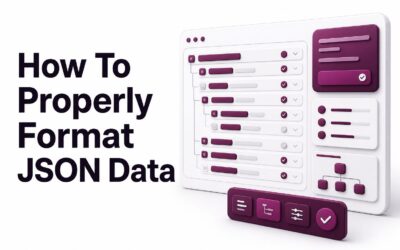
Introduction JSON is one of the most common data formats used in modern web development, APIs, configuration files, databases, and automation workflows. Clean formatting makes JSON easier to read, debug, validate, and share across teams without creating confusion or...
Blog
How to Format JSON in Notepad++: Step-by-Step Guide
If you work with API responses, configuration files, or structured data, knowing how to format JSON in Notepad++ can save time and reduce mistakes. Raw JSON is often difficult to read when it appears as one long, unbroken line. Notepad++ is lightweight, fast, and...
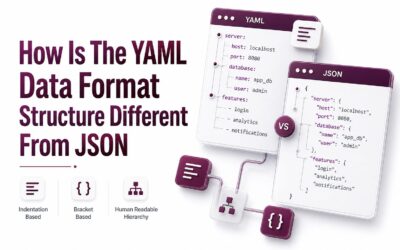
How Is the YAML Data Format Structure Different from JSON?
YAML and JSON are both data serialization formats used to store and exchange structured information. Developers rely on them for configuration files, APIs, automation tools, cloud deployments, and application settings across many modern software environments. The main...
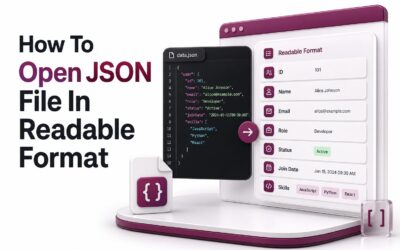
How to Open a JSON File in Readable Format
A JSON file often looks confusing when it appears as one long line of text. The data may be correct, but without indentation, spacing, and structure, it becomes difficult to read, edit, or share with another person. The easiest way to open json file in readable format...
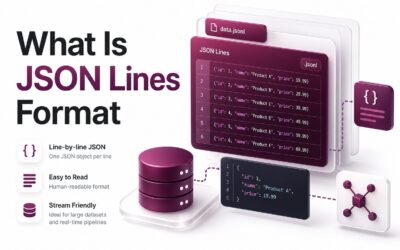
What Is JSON Lines Format? Meaning, Uses, and Examples
JSON Lines is a text-based data format where each line contains one valid JSON value. Most commonly, each line is a separate JSON object, making the file easy to read, stream, append, and process one record at a time. The format is often saved with the .jsonl...